Behind the Equipment Room Door: How Pro Clubs' Spare Boots Become Somebody's First Pair
Walk into the equipment room of just about any professional soccer club in America — MLS, USL, even ambitious NPSL sides — and you'll find something surprising: abundance. Not just enough boots. Too many boots.
Duplicate pairs in every size. Promo samples that arrived in shipping crates and were never touched. Last season's player-issued stock, replaced the moment a new model dropped. It stacks up in racks and rolling bins, and eventually, someone has to decide what happens to it.
For too long, the answer has been a warehouse pallet and a pallet jack. We think there's a better answer — and honestly, so do the equipment managers we've been working with.
The Inventory Nobody Talks About
Here's the math that surprises people. A professional squad of 28 players might rotate through three or four boot models a season. Multiply that by sizing runs, backup pairs, and sponsorship obligations, and you're looking at hundreds of pairs of gently worn or brand-new cleats sitting in a single facility.
Most of it is in perfect playing condition. Some of it has never touched grass.
"People assume pro gear is too beat up to reuse," says one longtime equipment manager who's been rerouting surplus to us for two seasons now. "It's the opposite. These boots get laundered, sanitized, and stored like museum pieces. A kid would be thrilled to lace these up."
The problem was never the boots. It was the plumbing — the lack of a connection between the room where surplus piles up and the communities where a good pair of cleats can be the difference between playing and watching.
The Equipment Managers Doing It Quietly
We've met a lot of heroes in this work, but equipment managers hold a special place. Their job is logistics, plain and simple — and they're exactly the kind of people who see a pallet heading to a landfill and think, that's not right.
One USL club staffer told us he started small: a single box of player-issued boots, shipped to our Atlanta sorting hub on his own dime. The next season, his club made it official. Now it's a standing arrangement — end of season, the surplus gets inventoried, boxed, and sent our way before training camp resets the shelves.
Another club built it into their culture. When players get new sponsorship deliveries, there's a bin by the door labeled simply: FOR THE KIDS. Nobody had to mandate it. It just became what they do.
These aren't publicity stunts. Most of these folks have never given an interview about it. They just couldn't look at a rack of size 9s gathering dust without thinking about who else could be wearing them.
How the Pipeline Actually Works
If you're a youth league administrator or club volunteer wondering how to tap into this, here's the honest, unglamorous version:
1. Identify the clubs near you. Pro, semi-pro, even competitive amateur clubs all generate surplus. A USL League Two side in your county counts. So does the college program down the road.
2. Find the right person. Don't email the front office and hope. Equipment managers, operations coordinators, and team administrators are the decision-makers here. LinkedIn and a polite intro email go further than you'd think.
3. Make it easy. The number one reason these partnerships stall? Friction. Offer to handle pickup, boxing, and shipping. We can provide guidance on what ships well and what doesn't — boots with intact soles and uppers, laces included when possible, no molded-plastic casual sneakers.
4. Loop in Boots for Africa early. Our distribution partners on the ground in Kenya, Ghana, and Malawi tell us exactly what sizes and styles are needed before they're needed. Matching surplus to real demand is the whole game — it's the same principle behind our sizing-first approach to every donation drive.
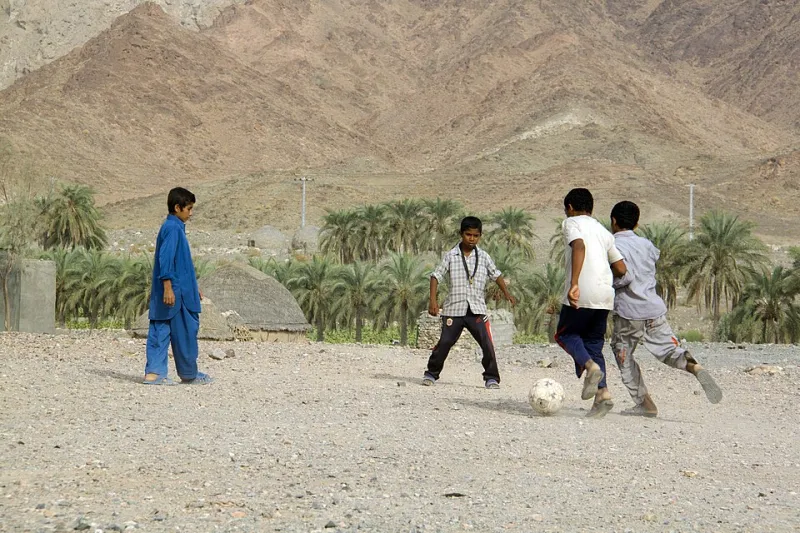
5. Close the loop. The equipment managers who stick with this are the ones who see the impact. We share photos and distribution reports from partner communities, because a pallet of boots means a lot more when you can picture the muddy pitch in Kisumu where they landed.
A Checklist for League Administrators
Want to open this pipeline in your own town this season? Print this out:
- ☐ List every pro, semi-pro, and college soccer program within a two-hour drive
- ☐ Identify equipment or operations staff at each (a quick search usually does it)
- ☐ Reach out with a short, specific ask — surplus boots, end of season, we handle logistics
- ☐ Contact Boots for Africa to confirm current distribution needs and shipping windows
- ☐ Recruit two or three volunteers to run the collection and boxing day
- ☐ Set a calendar reminder for the off-season — that's when the clearouts happen
- ☐ Share the follow-up photos with the club. Every time. This is how a one-time favor becomes a tradition
Small Rooms, Big Ripples
There's a theme running through every story on this site, and it's this: the difference between gear sitting idle and gear changing a life is almost always one person who picked up the phone.
Equipment rooms are small rooms. The decisions made in them, though, travel thousands of miles — from a rack in a stadium tunnel to a kid in a village league lacing up for her first organized season.
If you know someone on the inside of a club — or you are someone on the inside — the door is open. Reach out through bootsforafrica.org and let's make sure the next pallet heads to a pitch, not a warehouse.
Every pair tells a story. Some of the best ones start behind the equipment room door.