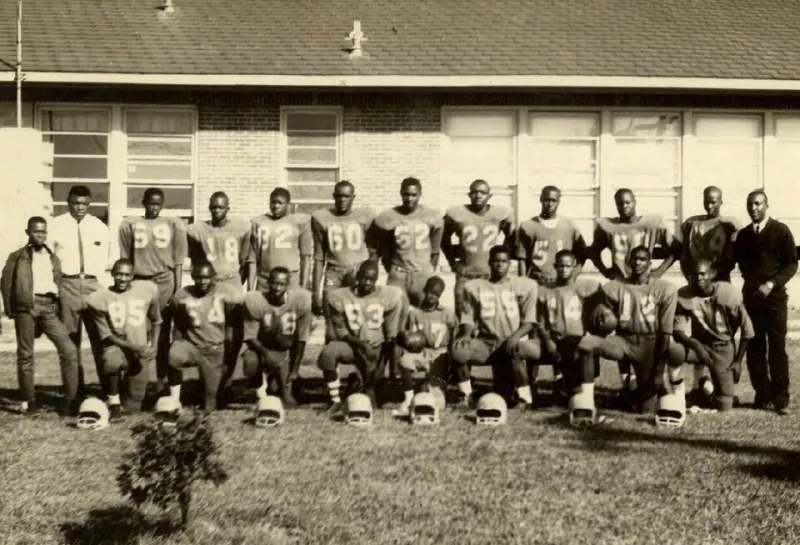
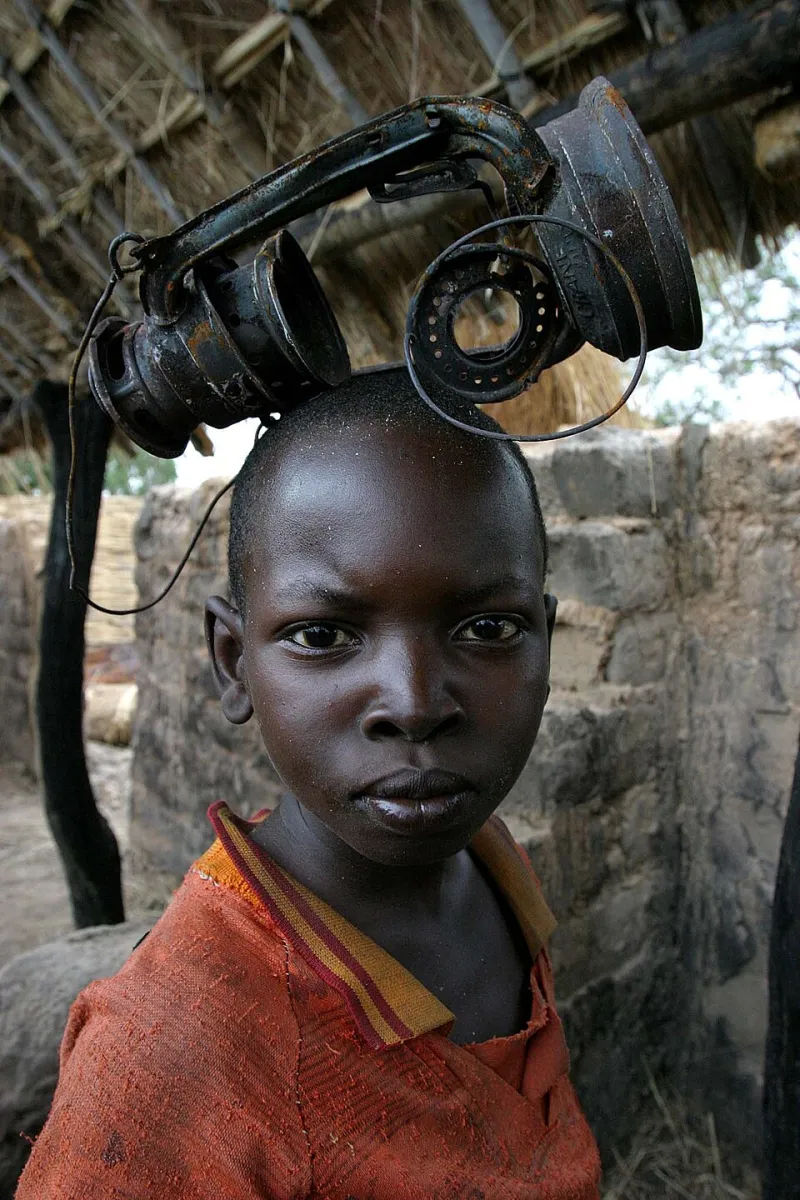
August: The Month American Closets Give Like No Other

There's a moment in every American household sometime in mid-August. It happens between the back-to-school shopping trip and the first practice of the fall season. A parent opens the shoe bin, finds last year's cleats — suddenly two sizes too small — and makes a decision.
Most of the time, those cleats go in a donation bag. And that quiet, ordinary decision is the reason August has become the most important month on the Boots for Africa calendar.
Why the Purge Happens in August
The timing isn't accidental. American youth sports run on a fall-heavy schedule, and soccer registration deadlines land in late summer for millions of families. New season, new gear list, new cleats — which means the old pair has exactly one job left to do.
There's a psychological piece here too, and organizers have noticed it for years. Donating in August feels less like giving something away and more like making room. The gear is still good. The memories are fresh. The kid has outgrown the boots, not worn them out. That's the sweet spot: equipment that's still got seasons of play left in it, being let go at exactly the moment families are most willing to let it go.
Compare that to a January cleanout, when the same pair of cleats has been sitting in the garage for four months and the motivation is pure decluttering. August donations are, on average, newer, cleaner, and better matched to what kids actually need.
The Organizers Who Plan Their Whole Year Around One Month
Take Maria Delgado, a volunteer coordinator in Columbus, Ohio. Her community collection drive runs for three weekends in August, and she spends the other nine months preparing for it.
"People think we just show up with a table and some boxes," she laughs. "We spend the winter building our partner list — which schools, which clubs, which communities are getting boots this year. We spend the spring confirming shipping logistics. By June we're printing flyers. August is the harvest, but you don't get a harvest without planting."
Maria's drive collected just over 1,400 pairs last August. Roughly 900 of them were in playable condition — a number she's proud of, and one that's climbed every year since she started asking donors to check three things before dropping off.
Which brings us to the part you actually control.
How to Make Your August Donation Count
Here's the honest truth from the sorting tables: not every donated pair makes the journey. Boots with split soles, missing studs, or cracked leather can't be played in, and shipping them across an ocean costs money that's better spent on boots that work.
Before your cleats leave your driveway, run through this quick checklist:
- The flex test. Bend the sole. If it cracks or stays creased, the boot is done.
- The stud check. Firm ground cleats need all their studs. Missing or worn-flat studs mean the pair sits in a box.
- The laces question. Boots without laces or velcro straps can't be secured. Include laces if you have them.
- The sniff test. Sounds silly, but gear that's been sealed in a damp garage bag for a year often isn't salvageable. Air it out first.
- The pair rule. One boot is not a pair. We really do get single boots.
And one more thing that matters more than most donors realize: donate the size you'd want to receive. Kids everywhere grow fast, and the biggest shortage in our distribution network is consistently youth sizes 3 through 6 — the exact sizes American families are purging in August. Your outgrown pair is very likely somebody's perfect fit.
Make It a Family Tradition
The families who get the most out of the August purge treat it like a ritual, not a chore. Sit down with your kid before the new season starts. Pull out last year's boots. Talk about where they're going and who might wear them next.
Some of our most committed donor families started this way — one cleanout, one conversation, one pair of boots. Now their kids ask in July whether it's almost donation time.
If your family, team, or school wants to go bigger, August is also the ideal month to host a drive of your own. Fall registration means every family you know is already sorting through gear. Catch them at the right moment and the collection bins fill themselves.
Your August Checklist, One Last Time
- Gather last season's boots and gear
- Run the five-point quality check
- Wash and air-dry everything
- Bundle laces with the boots they belong to
- Drop off at a Boots for Africa collection point or request a shipping label
- Tell one other family you did it
Six steps. One afternoon. And somewhere on a dusty pitch thousands of miles from your driveway, a kid laces up for their first real season — in boots that used to be yours.
August is coming. Your closet already knows what to do.