Dumpster Diving for Cleats: The Spring Cleanout Nobody Wants to Talk About
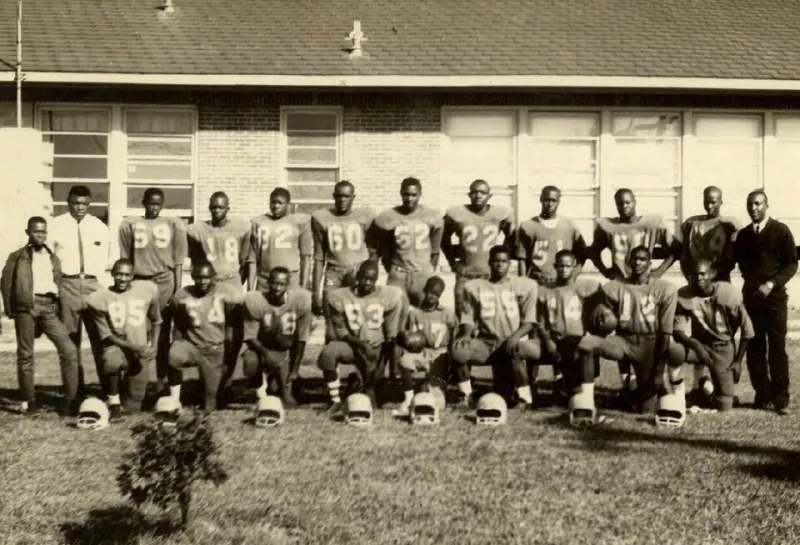
Photo: Jessica Richardson, Public domain, via Wikimedia Commons
The dumpster behind Jefferson High School doesn't look like a story. It looks like every other dumpster in every other American school district — dented, green, humming faintly in the late-May heat. But stand next to it for an hour during end-of-season cleanout week, and you'll start counting.
By 10 a.m., the equipment manager had tossed eleven pairs of soccer cleats. By lunch, a stack of baseball cleats and two pairs of track spikes joined them. None were beyond repair. Most had a season, maybe two, left in them. All of them were headed for the landfill because that's simply what happens when a locker room clears out in America.
We spent three days watching cleanouts like this one — at a suburban Ohio high school, a Texas 5A powerhouse, and a small Vermont school that shares fields with the middle school. The numbers varied, but the pattern didn't. Roughly 40 to 80 pairs of cleats and turf shoes get discarded per school each spring, along with shin guards, practice jerseys, and bags. Multiply that by the roughly 26,000 public high schools in the country, and you're looking at well over a million pairs of boots a year going into the ground.
Meanwhile, in the communities where our partner programs operate in Kenya, Ghana, and Malawi, a single pair of boots might be shared between two or three players across a season. Some kids play barefoot on hard-packed dirt, developing calluses most American players can't imagine. The distance between that dumpster and those fields is the whole reason Boots for Africa exists.
Why Good Gear Ends Up in the Trash
Talking to athletic directors, the same reasons kept coming up — and none of them were malice.
First, there's the liability reflex. District policies on used equipment are often written for helmets and pads, where safety standards genuinely matter. Cleats get swept into the same conservative bucket, even though a used pair of boots poses no such risk.
Second, there's time. Equipment managers are often part-time, seasonal, or volunteers. Sorting, boxing, and shipping hundreds of pairs isn't in their job description, and the dumpster is thirty seconds away.
Third — and this one surprised us — there's simply no system. One AD in Ohio put it plainly: "I'd donate this stuff tomorrow if I knew who to call. Right now my only option is the trash can, so that's what I use."
That's not a policy problem. That's a missing phone number.
The Blueprint: Five Steps for Athletic Directors
If you're an athletic director, equipment manager, or booster club parent, here's the playbook we wish every school had taped inside the equipment room door.
1. Build the cleanout into the calendar. Don't treat gear disposal as an afterthought after the last game. Schedule a "gear sort day" the week after spring finals, when student volunteers or NHS members can help. An hour of sorting turns a trash pile into a donation pile.
2. Know your cutoffs. Usable means soles intact, no broken studs, laces present, uppers without holes. Anything below that line can be recycled separately — many running stores accept worn shoes for recycling, so even the worst pairs don't need to hit the landfill.
3. Partner with a verified organization. This is the step that matters most. Look for charities with published distribution records and in-country partner programs — organizations that can tell you which community received the gear, not just which continent. We publish an annual impact report for exactly this reason, and we're far from the only group doing this work. Ask questions before you box anything up.
4. Handle logistics before the season ends. Most donation organizations can provide shipping guidance, and some can arrange pickup for bulk donations of 50 pairs or more. A single email in April saves a dumpster's worth of waste in June.
5. Make it a tradition. The schools that stick with this don't treat it as a one-off. They put a donation bin in the main gym lobby year-round and let graduating seniors know their old cleats can help someone lace up for the first time. One Vermont AD told us her seniors now compete to see who brings in the most pairs. "It's become a point of pride," she said. "Nobody wants to be the class that threw them away."
What Happens After the Box Leaves the Gym
Here's the part that keeps volunteers coming back: the follow-through. A pair of cleats pulled from a Ohio cleanout this spring might spend eight weeks in transit, clear customs in Mombasa, and reach a youth league in western Kenya by August — just in time for a 13-year-old to pull them on for her first organized match.
We've seen the photos come back from our partner coordinators: kids holding up boots that still have a high school's name inked inside the tongue. Those names travel further than any diploma.
The Ask
If you work at a school — or you know someone who does — forward them this article. One conversation with an athletic director in May can redirect an entire year's worth of discarded gear.
The dumpster will fill up either way. The only question is what's in it.
Ready to set up a school donation program? Visit our donation guide for shipping standards, sizing tips, and how to get your cleanout on our pickup schedule before the school year ends.