The Equipment Manager's Secret: Inside the Pro Pipeline Putting Worn Cleats on New Feet
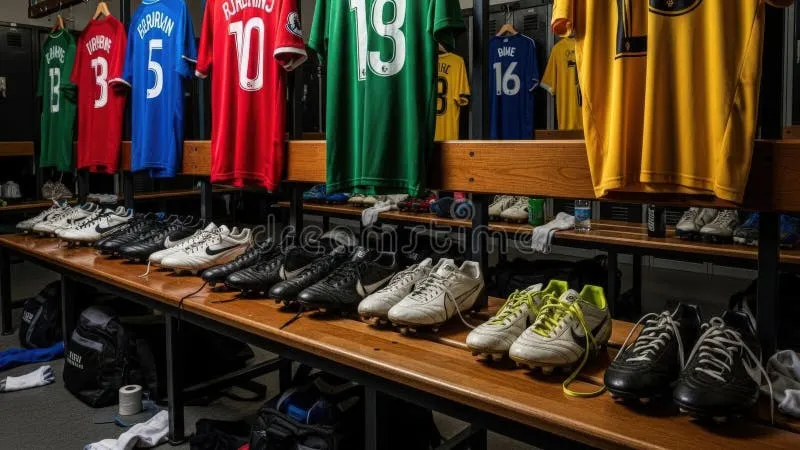
Photo: soccer cleats donation bin locker room equipment, via thumbs.dreamstime.com
Walk into any Major League Soccer locker room after a match and you'll find a sight most fans never think about: a bin, a bench, sometimes just a corner of the floor, piled with cleats. Some are barely scuffed. Some have a season's worth of turf burn baked into the leather. All of them are about to be replaced.
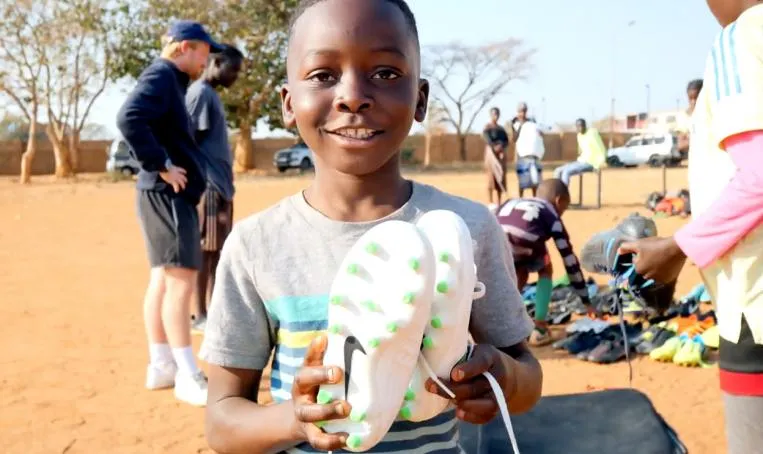
For equipment managers, this is routine. For us at Boots for Africa, it's a goldmine — and the story of how those boots get from an MLS stadium or a college soccer facility to the feet of a twelve-year-old on a dirt pitch in Ghana is one of the best-kept secrets in American soccer.
A Season of Boots, Measured in Pairs
We spoke with equipment staff at a few MLS clubs and NCAA programs, and the numbers surprised even us. A professional player might go through six to ten pairs of boots in a single season. College programs, especially in soccer powerhouse conferences, cycle through dozens of pairs a year as players rotate gear through team-issued allotments.
"Nobody wants to throw away a $200 pair of boots," one equipment manager told us. "But there's no shelf in the locker room for last year's stuff. So when a charity makes it easy — a bin, a shipping label, a phone call — everyone says yes."
That's the key word: easy. The pipeline works because it asks very little of already-busy staff. Collect. Box. Ship. We handle the sorting, the cleaning, the customs paperwork, and the distribution partnerships on the ground in Africa.
Match Day Drives and Loading Dock Pickups
The collection happens in two main ways.
First, there are match day drives — the ones fans know about. Stadiums and athletic departments host donation bins at the gates, and supporters drop off their kids' outgrown cleats alongside the pro pairs collected in-house. A single home game can pull in a few hundred pairs when the club gets behind it.
Second, there's the quieter version: the loading dock pickup. Equipment managers set aside the locker room castoffs — boots, shin guards, keeper gloves, even training bibs — and we arrange pickup or they ship directly to our sorting hub. No fanfare, just a regular rhythm of boxes arriving throughout the season.
Both channels matter. But the pro and college donations carry a special weight once they reach their destination, for a reason we didn't fully expect.
Why Worn-In Beats Brand New
Here's something the donations taught us: kids in the communities we serve often prize the worn pairs most.
A brand-new boot straight from a box can feel stiff and intimidating. But a pair that's been broken in by a professional player — softened leather, molded to a foot, carrying the scuffs of real matches — arrives ready to play. No painful break-in period on hard ground. Just lace up and go.
And then there's the story. When a young player in Malawi laces up boots that came out of an MLS locker room, they're wearing proof that the game connects continents. Coaches in our partner programs tell us kids ask about the boots' history the way American kids ask about game-worn jerseys. Every scuff is a conversation starter.
What Makes the Cut
Not every donated pair makes the journey. Here's what our sorting volunteers look for:
- Intact soles and stitching — cleats with separated outsoles don't survive the trip or the terrain.
- Sizes 1 through 9 — youth and smaller adult sizes are the biggest need. A size 13 pro boot is rare treasure; most kids need something in between.
- All surfaces welcome — firm ground, turf, even indoor shoes. Grass, dirt, and gravel pitches all get played on.
- Laces included — it sounds small, but a missing lace can bench a boot.
If you're a parent, coach, or equipment manager reading this, that's your checklist. Clean them up, bag them, and get them to a bin or a shipping partner near you.
The Next Box Is Waiting to Be Packed
The pro pipeline keeps growing because more clubs, more athletic departments, and more equipment managers keep saying yes to that simple ask. But the pipeline doesn't end at the stadium — it runs through your garage, your kid's closet, your team's equipment room.
That pair your daughter outgrew in October? It's not done. Somewhere, a player is waiting for exactly that size, exactly that boot.
Check our Donation Guide for drop-off locations and shipping instructions, and if you work in college or pro soccer, reach out — we'd love to add your locker room to the map.