Dust, Gravel, and Bare Feet: What Our Cleat Drives Keep Getting Wrong
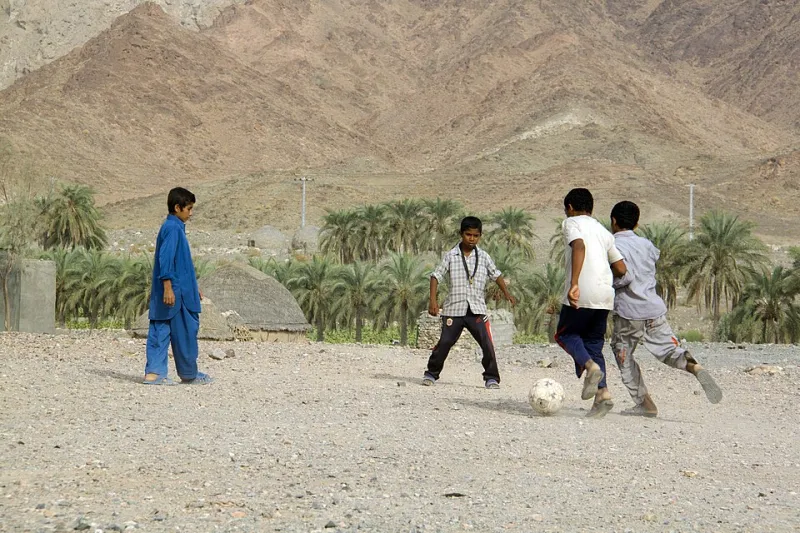
Photo: Mostafameraji, CC BY-SA 4.0, via Wikimedia Commons
Picture a kid in Kenya receiving your donated cleats. If you're like most American donors, the scene in your head involves a grass field, goal nets, maybe even uniforms. Now here's the real version, described to us by Amara Diallo, who coordinates distributions for a partner program outside Accra: a packed-dirt pitch baked hard by dry season, gravel pushing through the surface, and half the kids playing barefoot because that's how they've always done it.
"The boots are not the gift people think they are," Amara told us over a shaky video call. "Or rather, they are — but only when we get the details right."
The Myth of the Missing Boot
American soccer culture has a specific story it tells itself: kids in developing countries lack equipment, we have equipment, problem solved. It's a comforting narrative, and it's not entirely wrong. But it flattens a lot of complicated reality into a single feel-good image.
The truth our partners keep trying to tell us is more interesting. Many kids in the communities we serve prefer playing barefoot on hard ground — it's how they learned, it's what their feet are conditioned for, and a stiff-soled boot designed for firm natural grass can feel like a brick on scorching dirt. Hand a fifteen-year-old who's played barefoot his whole life a pair of molded-stud cleats meant for a damp Pacific Northwest pitch, and you haven't given him an upgrade. You've given him a blister.
That doesn't mean boots don't matter. It means the right boots matter, in the right places, for the right players.
What Actually Gets Used
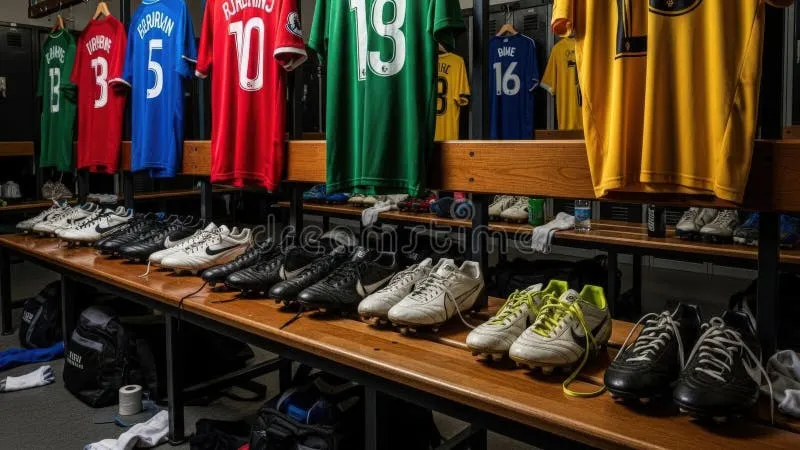
When we asked Amara what ends up wasted, her answer surprised us: turf shoes and flats often outperform studded cleats on the packed surfaces her kids play on. Small sizes fly off the shelves; size 12 men's cleats sit in storage for a year. And condition matters more than donors realize — a pair with worn-smooth studs or cracked soles won't survive a gravel pitch for a month.
Her wish list, in order:
- Durable turf shoes and all-purpose flats in youth sizes, especially 3 through 8
- Shin guards — chronically undonated, constantly requested
- Socks — yes, socks. They make any boot wearable and are almost never included
- Ball pumps and needles — one pump serves an entire school program
- Lightly worn boots with real tread left, any condition of the upper
Notice what's not on that list? A bag of forty single mismatched cleats in adult sizes. Yet that's roughly what the average collection drive produces.
Ask the People on the Pitch
Here's the principle underneath all of this, and it's the one we'd tattoo on every donation bin if we could: the community knows what the community needs. Our most successful distributions happen when we ship a partner's specific request list — not when we send what a PTA in Ohio happened to collect.
That's why our Donation Guide pushes the same three steps every time. One, check our current needs page before you gather gear, because requests change season to season. Two, skip the pairs that are truly done — if you wouldn't hand them to your own kid for practice, they're not a gift, they're a shipping cost. Three, add the unglamorous stuff: socks, guards, pumps, laces.
A Different Picture Worth Keeping
We're not asking you to stop imagining that kid receiving boots. We're asking you to imagine a better version of the scene — one where the boots fit, the surface makes sense, the shin guards came in the same box, and the whole thing was shaped by someone in the community who knows exactly what game day looks like there.
That version takes a little more effort on our end. But every pair tells a story, and the best stories start with listening. Before your next box seals shut, make sure it's telling the right one.
Ready to donate smarter? Check our current needs list, rally your team, and let's get gear that actually gets played in.