Ask First, Ship Second: The Sizing Blind Spot Hiding in Every Cleat Drive

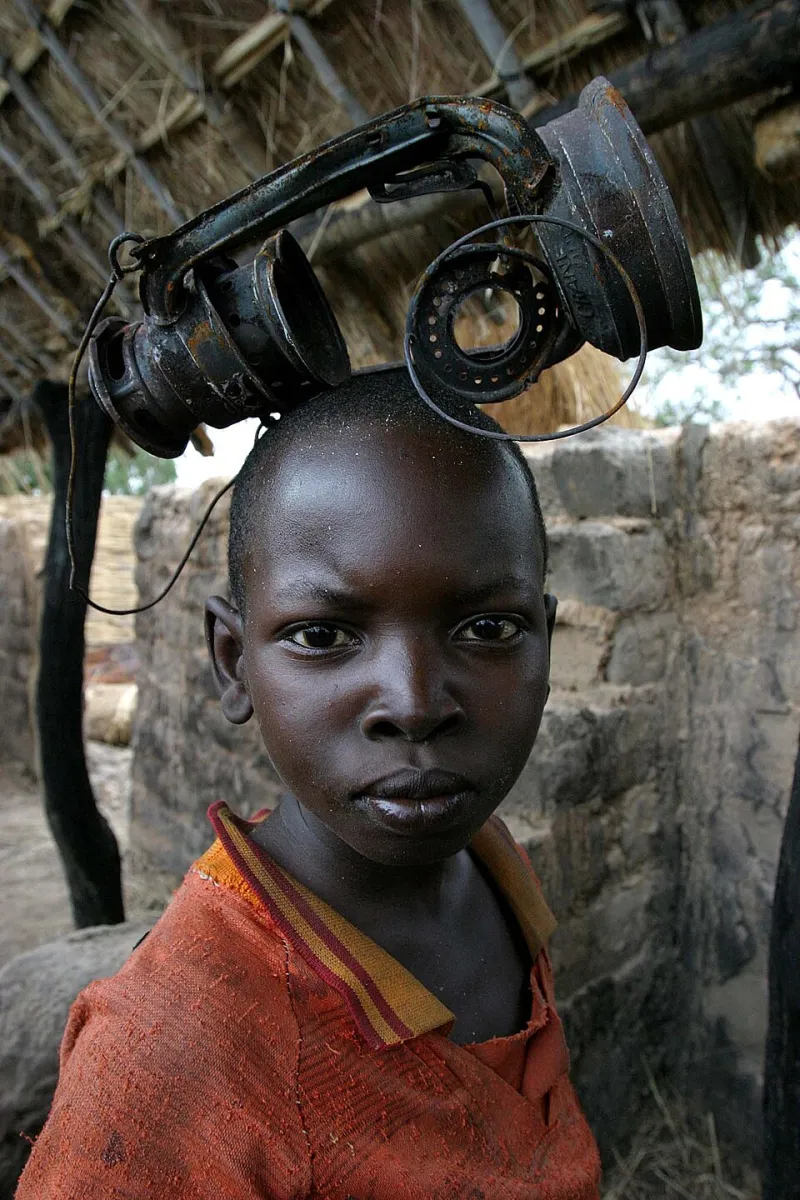
Photo: Robin Webster , CC BY-SA 2.0, via Wikimedia Commons
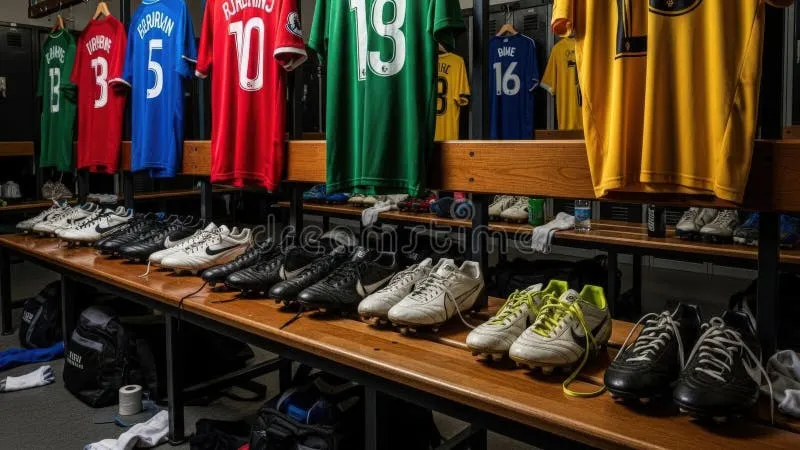
Walk into any sporting goods store in America and scan the cleat wall. You'll find a rainbow of size 10 adult boots, a healthy run of youth sizes 3 through 6, and — if you're lucky — a thin row of tiny sizes 10 through 2 tucked somewhere near the bottom shelf.
Now consider this: the kids our partner programs serve are, on average, younger and smaller than the American youth players those shelves are built for. The result? A steady stream of donations that misses the mark in ways no donor intends.
The Retail Reality Nobody Planned
US retailers stock what sells, and what sells is driven by American youth leagues, where organized play skews older. Sizes 11 through 2 — the sizes that fly off shelves in our receiving warehouses — are notoriously under-produced here. Kids grow fast at those ages, so families buy big and hope. Retail follows the money, not the need.
When American donors clean out their garages, they naturally donate what their own kids wore and what stores carried. That's why our warehouse volunteers open box after box of size 5 cleats while our partners in Malawi and Ghana submit requests for toddler sizes we can barely source.
It's not anyone's fault. But it is fixable.
Opinion: A Donation Isn't a Gift Until It's Wanted
Here's where we'll be blunt. Shipping boots nobody asked for isn't generosity — it's logistics with good intentions. Every mismatched pair costs the same to collect, sort, and ship as a pair that changes a kid's season. The equity gap isn't just in who gets equipment; it's in whose voice shapes the donation in the first place.
The best drives we've ever witnessed share one habit: they ask first. They request a current needs list from the receiving program. They share it with donors. Then they collect.
The Donor Checklist: Five Questions Before You Box Up
Print this. Tape it to your collection bin. It works.
- Have we asked the receiving program for a current needs list? Sizes, surfaces, and seasonal conditions change. Last year's list is last year's news.
- Are we prioritizing small sizes? Sizes 10 through 2 in kids' cleats are almost always the deepest need. Check the bottom shelf of your own closet first.
- Is the condition honestly playable? Soles intact, no split seams, laces included. If your kid can't chase a ball in them, neither can someone else's.
- Are we pairing boots with the extras? Socks, shin guards, and balls round out a kit. A great boot with nothing else is half a gift.
- Have we budgeted for shipping, not just collecting? A drive that ends with 300 pairs and no freight plan ends with a storage problem. Build shipping costs into your fundraiser from day one.
Better Drives Start With Better Questions
The heart of this work has never been the boots. It's the respect baked into the asking. When a donor takes the time to find out what a seven-year-old in Lusaka actually needs — not what a shelf in Kansas City happens to stock — the donation becomes a conversation instead of a package.
So before your team's next drive, make one phone call or send one email to your receiving partner. Ask what's missing. Then go find exactly that.
Your effort deserves to land where it counts. So do the kids waiting for it.