Cash, Cartons, and Cleats: The Real Math Behind Smarter Donations

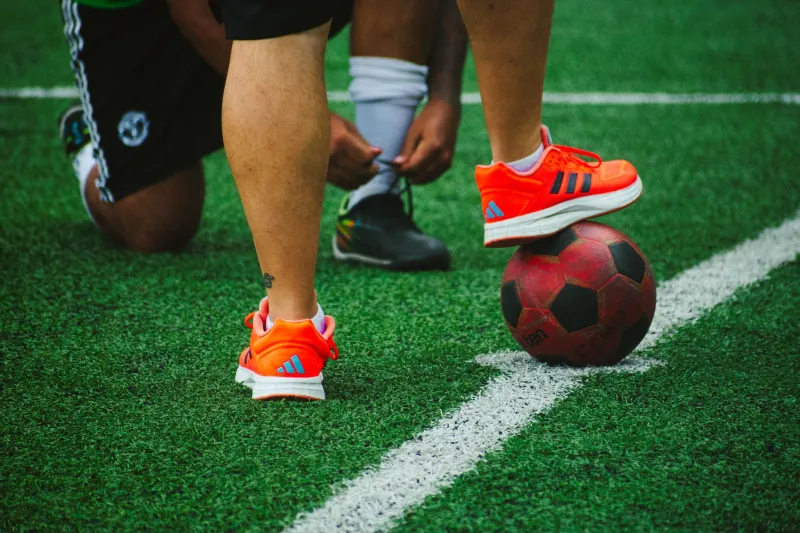
Photo: youth soccer cleats donation box shipping label volunteer, via i.pinimg.com
At a donation drive in Ohio last spring, a volunteer stood over a cardboard box taped like a fortress. Forty pounds of youth cleats, maybe thirty pairs, all cleaned and sorted. It felt like the perfect gift. Then came the quote from the shipping counter, the customs form, and the quiet realization that the box might cost more to move than the boots inside it were worth on the open market.
That moment is not a reason to stop collecting cleats. It’s a reason to get smarter about how they travel. Every pair tells a story, and part of that story is the route it takes from an American closet to a kid lacing up for practice. Sometimes that route runs through a shipping label. Sometimes it runs through a local vendor near one of our partner clubs. The math decides.
The box has a passport
Donated gear still crosses borders, and borders come with paperwork. Even when goods are gifts, shipments can face customs declarations, handling fees, and delays. A box of cleats may sit in a facility while forms are reviewed. Meanwhile, a partner club can walk into a local market and buy boots in the sizes its players actually need. Cash does not need a customs code. It does not get charged by the pound. It moves at the speed of a mobile payment and a motorbike.
That is the simple version of the shipping math: a $20 bill can outrun a box of cleats because it skips the parts of the journey that cost time and money without putting a single boot on a foot.
Weight, space, and the flat-rate illusion
Cleats are awkward cargo. They are bulky, stiff, and full of empty space where feet go. A flat-rate shipping box sounds like a bargain until you realize it holds only a handful of pairs. A larger carton can carry more, but the price climbs with weight and distance. Packing materials add pounds. Tape adds ounces. The box itself becomes part of the bill.
Now compare that with a local purchase near a partner club. A modest cash donation can help cover a pair of boots in a nearby shop, with no international freight, no customs broker, and no weeks in transit. The same money can fill specific size gaps instead of hoping a random assortment fits.
None of this means shipping is foolish. It means shipping is a tool, and tools work best when you know what they are for.
The sizing gap nobody wants to talk about
American closets are full of size 10s, 11s, and 12s. Youth players on the other end of the supply chain are often looking for smaller sizes, and they are looking for them now. A donated box can be generous and still miss the mark if it arrives heavy on adult sizes and light on the sizes a partner club requested last month.
Cash closes that gap. It lets a local coordinator buy the sizes that are actually missing, whether that is a run of size 3s for a new under-8 team or a few size 7s for the kids who hit a growth spurt over the summer. When we ask first and ship second, we spend less time guessing and more time getting boots onto feet.
When cash wins
Cash tends to win when a drive is small, when sizes are mixed, when shipping quotes are high, or when a partner club has an urgent need. It also wins when the gear is easy to buy locally. A $20 donation may not sound as romantic as a box of used cleats, but it can be the difference between a kid sitting out a Saturday and a kid playing in boots that fit.
Cash also helps with the unglamorous stuff: local transport, minor repairs, and the small purchases that keep a season moving. Donors who give cash are not skipping the closet cleanout. They are funding the last mile.
When shipping wins
Shipping still makes sense in plenty of situations. A team that collects fifty pairs of barely worn cleats can consolidate them into a pallet and share the freight cost. A partner club may specifically request goalie gloves, shin guards, or a hard-to-find size that local vendors do not stock. A sponsor may cover shipping. A shipment may be pre-cleared through a trusted partner. In those cases, a carton is not a burden. It is a delivery.
The key is not to choose a side forever. The key is to choose the right side for the load.
The hybrid model: ship what is needed, buy what is missing
Our most effective gear drives tend to run on a hybrid model. Volunteers collect and sort cleats. We check the partner’s wish list. We ship consolidated boxes when the math works and the need is specific. We use cash to fill sizing gaps, buy locally, and cover the costs that do not fit neatly in a cardboard box.
That model does not discourage closet cleanouts. It gives them a better ending. A donated pair still matters. A donated dollar still matters. Together, they keep more kids on the pitch than either one can do alone.
What donors can do today
If you are staring at a box in your garage, start with a quick check. Are the cleats clean, dry, and paired? Are the sizes labeled? Does the drive have a partner and a plan? If the answer is yes, ship. If the answer is fuzzy, ask before you seal the box.
And if you have $20 and no cleats to spare, do not underestimate it. That $20 can outrun a carton, skip the customs line, and land in the right size at the right moment. Every pair tells a story. Sometimes the smartest next chapter starts with cash.