The Afterglow in the Garage: Turning 2026 World Cup Fever Into Cleats That Stay in Play
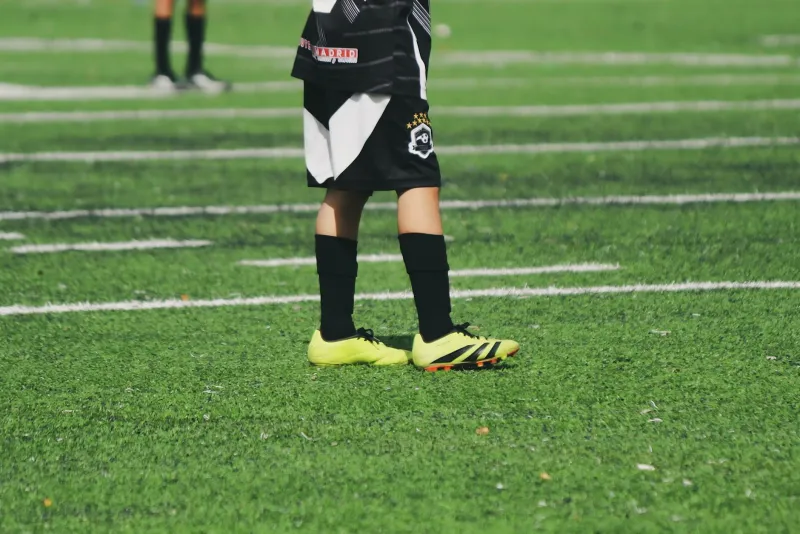
The 2026 World Cup did something American youth soccer has been trying to do for years: it made cleats feel urgent. Kids who had never watched a full match suddenly wanted a pair. Families bought first-season boots in June and July. Rec leagues filled up. Driveways turned into mini training grounds.
Now it is November 9, 2026. The final whistle is long gone, the fall season is wrapping up, and a lot of those World Cup-inspired cleats are sitting in garages, mudrooms, and back seats. Some are too small. Some were worn for six games and then abandoned for basketball. Some are still perfectly good.
That is the afterglow we are talking about. It is not a marketing moment. It is a pile of gently used boots with a very short window before the holidays swallow everyone's attention. Here is how youth clubs, families, and local organizers can catch it.
Start With the Clubs That Already Have the Kids
You do not need a new audience. You need the people who already spent the summer chasing a ball. Call your local rec director, travel club coordinator, YMCA sports desk, or parks and recreation office. Ask one simple question: when is your last team gathering or end-of-season tournament?
That is your collection window. Set up a table at the team party. Put a box near the snack stand. Ask coaches to send one text message after the final game. The ask lands better when it is tied to the season the kids just finished, not to a vague charity pitch.
Make the Ask Specific: 'Bring the Pair Your Player Outgrew'
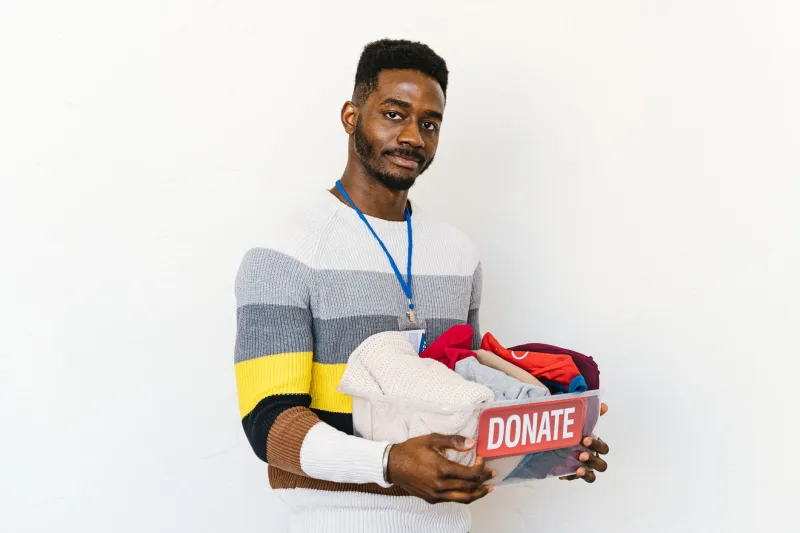
'Donate used sports equipment' is too broad. People stall when they are not sure what counts. Say this instead: bring youth-sized cleats your player outgrew, especially sizes 1 through 6, clean and with laces. If you have shin guards or a spare ball, bring those too.
Specific requests move faster. Parents know exactly which pair is pinching. Kids know which boot they refuse to wear. A clear ask turns a closet decision into a five-second grab on the way to practice.
Use the World Cup Hook Without Turning It Into a Museum
You do not need a slideshow about the tournament. Keep it light. Put up a simple sign that says: Where will these boots play next? Add a map of Africa or a bracket-style goal chart. Let kids write a short note on an index card if they want. The point is not to relive the summer. The point is to connect the excitement they felt to a kid who will feel it in a different country.
A photo station helps, too. One picture of a player holding up the cleats they are donating can do more for next year's drive than a dozen emails.
Build a Twenty-Minute Triage Table
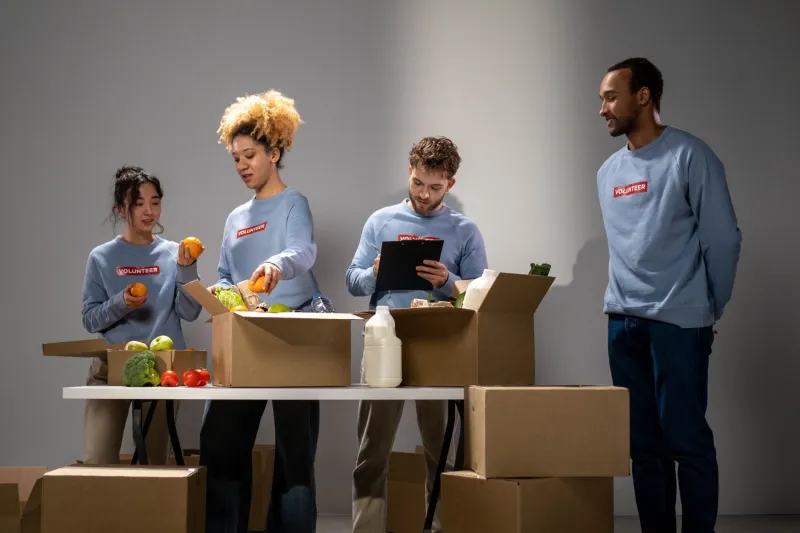
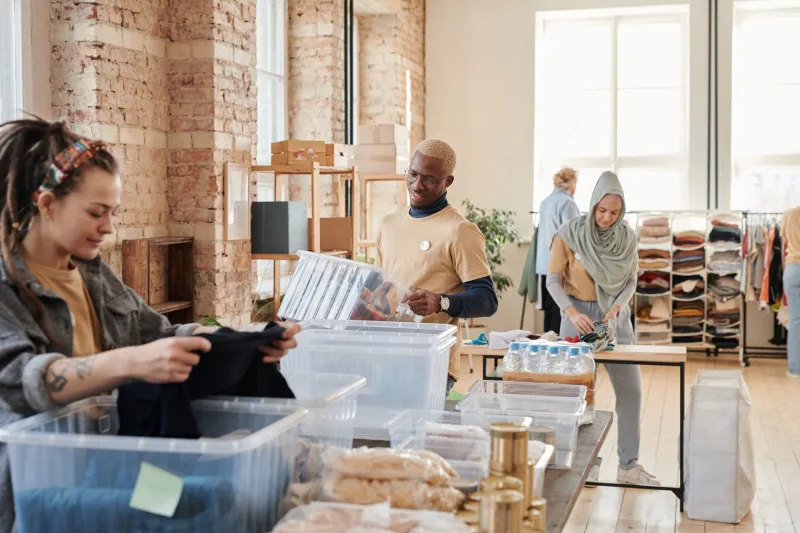
Do not let donations pile up unsorted. At collection, set up a table with three zones: keep, clean, and recycle. Check the sole, the toe, and the heel. Look for dry rot, deep cracks, or missing studs. If a pair is muddy, brush it dry and set it aside. If it is moldy or falling apart, thank the donor and send it to textile recycling.
Pair the boots by size and secure them with zip ties or rubber bands. Keep a few spare laces in a bag. Label each pair with a sticky note showing the size. This small step saves hours later and makes sure the boots that arrive in Africa are ready to play, not ready for another sort.
Beat the Holiday Shipping Crunch
November is the sweet spot. You have enough time to collect, sort, and box before the holiday shipping rush turns every post office into a line. Aim to finish collections by the weekend before Thanksgiving. Ship the first batch in early December, not the week before Christmas.
Ask a local soccer store if it will serve as a drop-off point. Ask families to bring empty cardboard boxes when they drop off cleats. Keep a simple inventory sheet: size, quantity, condition, date. You will be glad you did when someone asks where the size 4s went.
Turn One Drive Into a Club Tradition
One collection is nice. A tradition is better. Put the cleat drive on the club calendar for the weekend after the fall season ends. Give one parent volunteer the job of keeping the sign and the size labels. Share a short update with photos and a pair count. 'We collected 87 pairs in three weekends' is the kind of sentence that makes people bring two pairs next time.
Set a goal in pairs, not pounds. Pairs are human. Pairs are visible. Pairs are what a kid puts on.
What Not to Do
Do not wait for the perfect donation. Do not store boots in a damp garage for three months. Do not ship single boots unless your partner specifically asks for them. Do not promise donors that their exact pair will go to a specific child. Do not make the drive complicated enough that only the most organized parent can participate.
The best post-World Cup drive is the one that happens while the season is still fresh and the garage is still accessible.
A Simple Three-Week Plan
This week: call your club, pick a date, and send a one-paragraph ask. Next week: collect at practices and the end-of-season gathering. Triage as you go. The week after: box, label, and ship. Post a thank-you with a pair count and a photo of the boxes heading out.
That is it. No grant application. No giant committee. Just a table, a sign, and a specific ask.
The 2026 World Cup gave American soccer a rare on-ramp. The afterglow is sitting in a garage right now, waiting for someone to ask. Every pair tells a story. Help us write the next one.