Between School Pickup and Dinner: A Realistic Giving Tuesday Cleat Drive for Busy Families
Giving Tuesday has a reputation problem. It sounds like something that requires a conference room, a laminated binder, and a person who actually enjoys spreadsheets. It does not. Giving Tuesday 2026 lands on Tuesday, December 1, and the best cleat drives we see are the ones that fit inside a normal weekday — the kind with school pickup, a lunch break, and a dinner that might be leftovers.
So here is the honest version: a 24-hour cleat drive for families who are already stretched. No warehouse. No committee. Just a box by the door, a few well-timed texts, and a plan that treats every pair like it already has a kid's name on it.
6:30 a.m. — The Five-Minute Closet Check
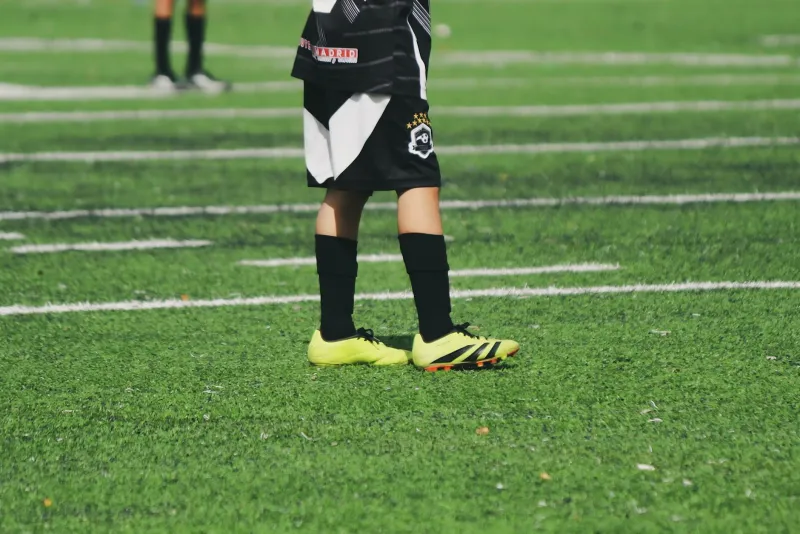
Before the coffee finishes, open the bin at the bottom of the closet. You are not cleaning the whole garage. You are looking for one thing: soccer cleats that no longer fit. Check the pair. Check the size. If your kid has outgrown them, they are not clutter — they are inventory.
Bag them and put them by the front door. That is the whole job. One pair is enough to start. If you find two, even better. The goal is not a perfect donation; the goal is a finished handoff.
8:00 a.m. — The Carpool Drop Box
Put a small box in your trunk with a simple label: Boots for Africa — Giving Tuesday. Ask your school front office or your kid's coach if you can leave it near the sign-in table for the day. Keep it visible and keep it simple. A copy-paper box works fine. So does a clean laundry basket.
This is the quiet part of the drive. You are not giving a speech. You are giving people a place to put the pair that has been sitting in their hallway since August.
12:15 p.m. — The Lunch-Hour Handoff
Meet one coworker in the parking lot. That is it. One pair, one bag, one quick thank-you. If your office has a break room, leave a folded note on the table with your phone number and a pickup time. You do not need a formal collection site. You need a lunch break and a reusable grocery bag.
Write the sizes on your phone as they come in. A running note is enough: size 2, size 4, size 5. This tiny habit will save you at 8:30 tonight.
3:45 p.m. — The Sidewalk Sizing Table
After school, set up a folding table in the driveway or on the sidewalk. Put out a sharpie, a size chart, and a couple of empty bags. Let the kids help sort. This is the part that feels less like charity and more like a block party — neighbors stop, kids compare cleats, somebody always says, "I think these were my son's."
You are not running a professional intake center. You are giving people a five-minute errand with a visible finish line. Knock the mud off. Tie pairs together. If a pair has broken laces, keep it anyway and note it — our equipment partners can sort the small stuff later.
6:00 p.m. — The Dinner-Table Social Push
One post. One group chat. One ask. That is the rule. Take a photo of the box, add a line about what you need, and be specific: "Collecting youth cleats tonight only — sizes 3 to 6, pairs only, porch drop by 7:30." Specific asks get answers. Open-ended ones get scrolled past.
Do not apologize for asking. Giving Tuesday works because people are already in a giving mood; they just need a nearby place to put it. Your driveway is that place.
8:30 p.m. — The Trunk Audit
After bedtime, count the pairs. Sort them by size. Bag them by group. Write a simple inventory on a sticky note — not because anyone will frame it, but because the next person in the chain needs to know what is in the box.
Send three thank-you texts. Put the bags in the car so tomorrow's drop-off is automatic. Then close the trunk and go inside. The drive is done.
The Math That Makes It Feel Possible
Five families at school each give two pairs. That is ten. Three coworkers bring one pair each. That is thirteen. Two neighbors clean out a garage and add four. That is seventeen. One coach tosses in a spare pair from the equipment bag. That is eighteen — a full youth roster's worth of boots, moved in one Tuesday.
Nobody rented a truck. Nobody made a flyer. The whole thing happened in the cracks between school pickup and dinner.
Three Small Rules That Save the Day
- Pairs over piles. A single left cleat is not a donation; it is a future mystery. Keep pairs together.
- Playable beats perfect. Scuffed is fine. Muddy is fine. Cleats that a kid can actually wear are the point.
- Confirm the drop-off before you promise delivery. A quick text to the collection site beats a trunk full of bags with nowhere to go.
When the box is full, the story starts. Those cleats go to a kid who has been playing in sneakers, or bare feet, or a pair two sizes too small. Every pair tells a story — and on Giving Tuesday, the story can start in your hallway.
Learn more about drop-off locations, shipping guidelines, and equipment needs at bootsforafrica.org.