Size 4, Please: The Midnight Scramble Behind Youth Soccer's Most Unlikely Tournament Weekend
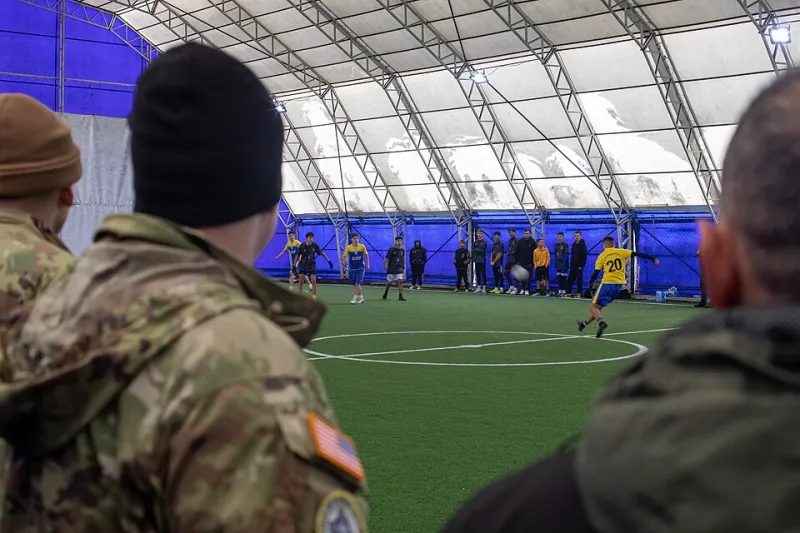
Photo: U.S. Army National Guard photo by Sgt. Grace Wajler, Public domain, via Wikimedia Commons
The email came in on a Tuesday, eleven days before kickoff.
"Just a heads-up," the tournament coordinator wrote to the host families of the Garden State Cup, "the visiting team from Accra has twelve players. Ten of them will need boots. Sizes range from kids' 1 to youth 4."
Maria Delgado read the message twice, then opened her garage and stared at the bin of soccer gear her two sons had outgrown over the years. Somewhere in there, she hoped, was a size 4.
Ten Kids, Forty-Eight Hours, One Kitchen Table
If you've volunteered at a youth soccer tournament in the US, you know the rhythm: concession stand schedules, field assignments, the eternal hunt for shade. What Maria and five other host families discovered that week was a different kind of prep work entirely.
By Friday night, the Delgado kitchen table looked like a small-time outfitter's back room. Cleats sorted by size. A phone flashlight illuminating the tongue tags. A spreadsheet — Maria's daughter's idea — tracking which player needed which size, and who still had nothing.
"My youngest asked why they didn't just bring their own shoes," Maria says. "And I didn't really know how to explain it. Back home, most of these kids play in sandals. Or nothing. The boots they'd been lent for the flight were somebody else's donation, two sizes off."
The scramble worked, mostly. Nine of ten players got fitted by Saturday morning. The tenth — a wiry winger named Kofi — squeezed into a pair one size small and didn't mention it until after the final whistle.
Learning the Ground All Over Again
Here's something most American soccer parents have never considered: playing in cleats for the first time is a skill.
Kofi's teammates spent warmups slipping on the dewy Bermuda grass, laughing through it, taking exaggerated practice steps like toddlers in snow boots. These were kids who could turn on packed dirt without looking down, who'd spent years developing balance and ball control on surfaces that punished the careless. Suddenly the ground itself felt foreign.
Their coach, Emmanuel Osei, wasn't surprised. "The first half of the first match, they are thinking about their feet," he told me. "By the second half, they are thinking about football again. That is all it takes."
The team dropped their opener 3–1. They won their next two.
What the Home Side Saw
The American squads, fully kitted in matching kits and brand-new boots, noticed things. The visitors' jerseys didn't match. Their goalkeeper wore a basketball sneaker on one foot. Their warmups were barefoot.
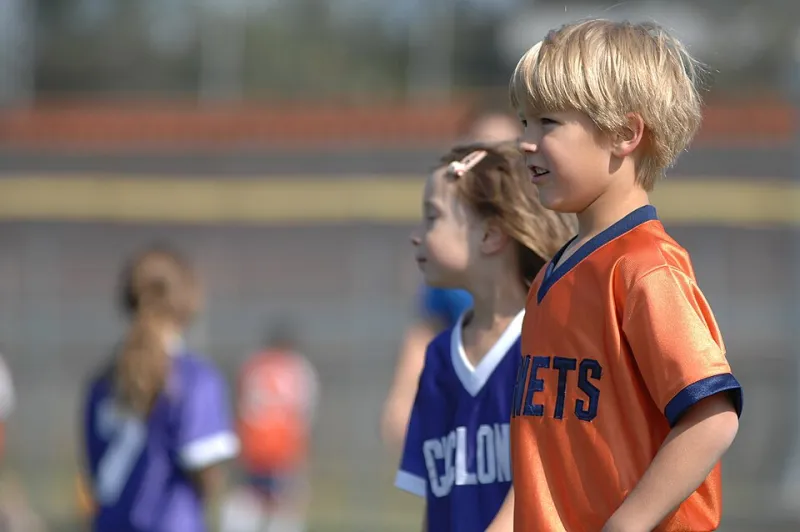
And they noticed the football. The first-touch control, the willingness to take a tackle and pop straight up, the sheer joy when a move came off.
"My son's team lost to them on Sunday," one host dad admitted, half-laughing. "After the handshake line, three of our kids asked if we could get boots sent to Ghana. That conversation doesn't happen after most tournaments."
Why Tournaments Like This Matter
International youth tournaments have quietly become one of the most effective exchange programs in grassroots soccer. Visiting teams get competition, exposure, and in many cases their first structured experience in proper equipment. Host communities get a masterclass in perspective.
But the model only works when somebody does the unglamorous work — the Tuesday emails, the midnight size sorting, the drive to three different sporting goods stores because nobody stocks kids' size 1.5 in July.
That's where our volunteers come in. Boots for Africa exists to make sure the next tournament invitation doesn't come with a sizing emergency. Our collection drives, our size-request program, and our network of host-family volunteers mean that when a team lands in Newark, or Houston, or Atlanta, the boots are already waiting.
The Last Pair
Sunday evening, after the trophies, Maria found Kofi at the edge of the parking lot, unlacing his borrowed cleats with the care of someone handling something precious. She told him to keep them.
"He looked at me like I'd handed him a car," she says. "Then he ran back to the bus to show his teammates."
Twelve pairs of boots made it onto that flight home. Maria's garage bin is nearly empty now — and her family is already collecting for next season's guests.
Every pair tells a story. This weekend, twelve of them did.