The Trunk That Never Empties: How One Coach Turned a Duffel Bag Into a Season-End Tradition
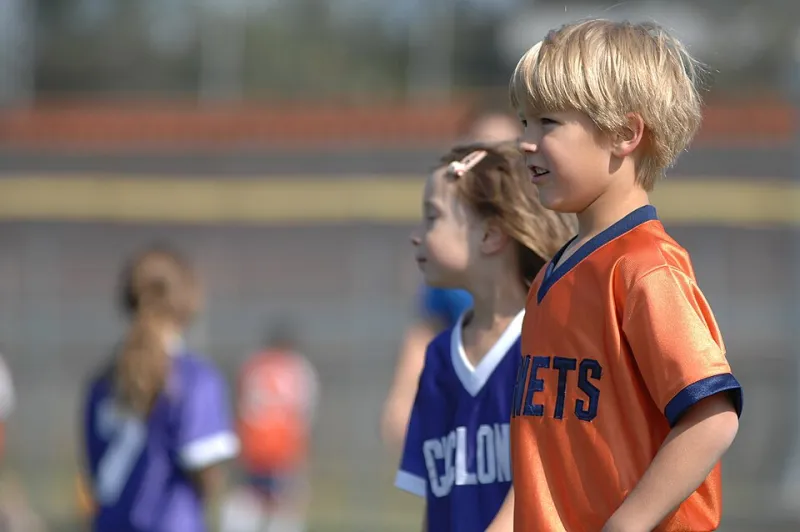
Photo: USAG- Humphreys, CC BY 2.0, via Wikimedia Commons
A Duffel Bag and a Habit
Marcus Reyes never set out to run a donation program. He coaches U-11 travel soccer in a Columbus suburb, and like most American youth coaches, he noticed something every fall: kids' feet grow faster than cleats wear out.
So he started keeping a duffel bag in his trunk. At the end of each season, when a parent mentioned their kid had outgrown yet another pair of boots, he'd shrug and say, "Toss 'em in the bag. I know a place they'll get used."
Six seasons later, that bag has become a fixture of his team's culture. Parents expect it. Kids ask about it. And last spring, the bag held 43 pairs of cleats — plus shin guards, a couple of soccer balls, and one very confused pair of goalie gloves.
"It's the least glamorous volunteer job in America," Marcus laughs. "I'm basically a guy with a trunk and an opinion about shoe sizes."
The Gear Ambassador Is Having a Moment
What Marcus stumbled into has a name now. Across the US, youth sports programs are formalizing what he did informally: designating one parent, coach, or team manager as the gear ambassador — the person responsible for collecting outgrown equipment at season's end and getting it into the hands of organizations that distribute it where it's needed.
The concept is catching on for a simple reason: it removes friction. Donation drives require coordination, promotion, and a collection site. A gear ambassador just needs a bag, a reminder email, and five minutes at the end-of-season party.
And the timing matters. American families buy an estimated 20+ million pairs of athletic shoes for kids every year, most replaced not because they're worn out but because a growth spurt intervened. Meanwhile, organizations like ours see daily how much difference a single pair of properly fitting boots makes for a young player in Kenya, Ghana, or Malawi.
Why the Sideline Works Better Than the Driveway
Here's the part that surprised us when we started tracking donations: cleats collected through teams arrive in dramatically better shape than cleats dropped off at general drives.
The reason is context. When a coach asks at practice, the boots are still fresh in a family's memory — often sitting right there in the garage. They're current styles, correct sizes, and rarely more than a season or two old. Compare that to a box pulled from a basement five years later, and the difference is obvious.
Team-based collection also builds a habit. Kids who grow up watching their outgrown boots head to a new player overseas internalize something about what their gear is worth. Several of our partner programs report that returning donors often started as kids on a team with a gear ambassador.
Marcus's Blueprint: The Season-End Checklist
Want to try this with your team? Marcus shared the routine he's refined over six seasons. It takes roughly two hours of total effort, spread across a few weeks.
Weeks 1–2 before the season ends:
- Send one email to parents: "Outgrown cleats? Coach Reyes's trunk is open for business." Keep it light. Humor gets donations; guilt doesn't.
- Ask for boots that are clean and laced. This one request cuts his sorting time in half.
The last week of the season:
- Bring the duffel to the final practice or team party, not just the trunk. Visibility doubles participation.
- Let the kids carry the donations over. Ownership matters.
After the season:
- Wipe down boots, check for separated soles, and pair them with rubber bands.
- Note approximate sizes on a phone note — it takes ten minutes and makes intake at our warehouse dramatically faster.
- Ship or drop off within a month. Boots that sit in a garage grow a second layer of dust and lose momentum.
What Happens to a Trunk Full of Cleats
When Marcus's bag reaches our warehouse, volunteers sort by size and condition, match boots into pairs, and pack them alongside balls and uniforms for partner programs across sub-Saharan Africa. A size 1 pair from a nine-year-old in Ohio has a way of finding a nine-year-old with the same foot three time zones and an ocean away.
We can't always tell Marcus exactly which kid got his cleats. But last year, a partner coach in Nairobi sent back a photo of his U-12 squad in mixed-match boots, grinning on a dirt pitch — and more than a few of those boots had Ohio travel club logos still visible on the heels.
One Team, One Bag, One Season
You don't need a nonprofit background, a warehouse, or a budget. You need a bag, a reminder, and the willingness to be the person who says, "Hey, don't throw those out."
If you coach, manage, or just sit on the sideline with opinions — you're already qualified. Grab a duffel. Open your trunk. Your team's next tradition is sitting in someone's garage right now, waiting for an invitation.