The One-Season Cleat Problem: How American Boot Culture Became a Giving Superpower
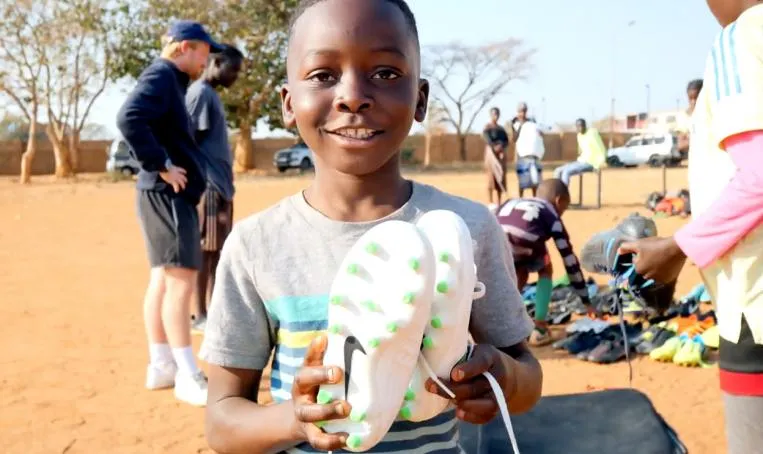
Photo: youth soccer cleats donation box kids playing football africa, via www.dhl.com
Let's be honest about something: American kids have a cleat problem.
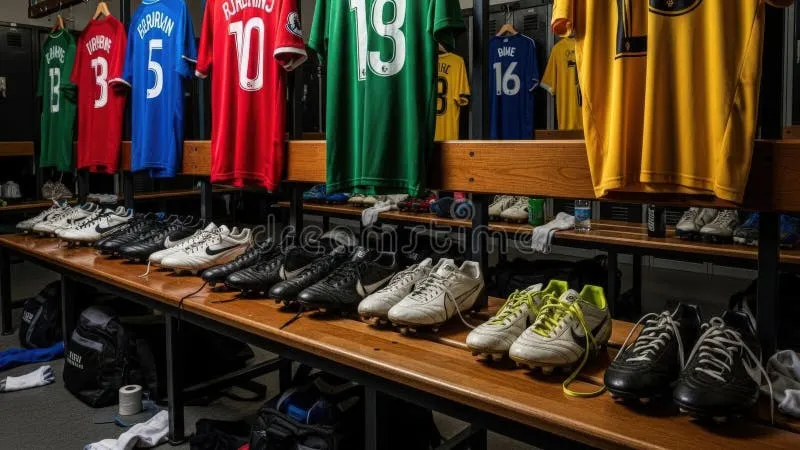
Not a shortage problem. The opposite. Walk into any suburban garage or youth soccer sideline and you'll see it — a small museum of last season's boots. The Mercurials from two springs ago. The Predators that were non-negotiable in August and outgrown by March. The pair bought a half-size big "to grow into" that never got the chance.
We're a country that treats cleats the way sneakerheads treat Jordans: as objects of desire, status, and constant upgrade. And here at Boots for Africa, we've come to believe that's not a flaw in our culture. It's our greatest fundraising asset — if we use it right.
The Turnover Economy
The sneaker boom taught an entire generation of American parents and kids to think about footwear in seasons, not years. New drop, new hype, new purchase. Cleats ride the same wave. A signature boot gets a colorway refresh every few months, and youth players feel it — the same kid who begged for the latest kit in September is asking again by April.
From a landfill perspective, that's a problem. From where we sit, it's an opportunity hiding in plain sight.
Because here's the math nobody talks about: a pair of cleats worn for one youth season is, in most of the world, a pair of cleats with years of life left. The American standard of "worn out" barely registers on a dirt pitch in Kenya or a rocky field in Zambia. What we rotate out of closets in Ohio and Texas is, elsewhere, the dream.
Meet the Volunteers Turning Closets Into Cargo
The people who understand this best aren't the donors — they're the volunteers who sort every single pair.
Take Marcus, a retired high school coach in North Carolina who runs one of our regional sorting days once a month. He's seen thousands of pairs come through, and he can size up a donation in seconds. "You get the kid who wore them four times and grew out of them — those are like new," he told us. "You get the pair that played two full seasons of club ball. Both go out. Both get a second life. But the four-time pair? That one makes somebody's whole year."
Or take the youth team in Colorado that made cleat collection their team tradition. At the end of every season, every player brings one pair they've outgrown to the last practice. The team cleans them together, pairs them up, and ships them off. Eight seasons running. That's hundreds of kids on two continents who've been part of the same ritual.
These volunteers aren't asking anyone to give up something they need. They're simply catching the boots at the exact moment they'd otherwise be forgotten — the moment between "outgrown" and "donated to a bin in the garage forever."
Make Rotation a Habit, Not a Chore
Here's our pitch, and it's a simple one: if your family is going to refresh cleats every season anyway — and let's be real, you are — make the rotation a giving habit.
The rule is easy. New cleats come in, one pair goes out. Same day. Not "someday when we clean the garage." Not the pair that sits in a closet until it doesn't fit anyone anymore. Outgrown means outbound.
Parents we work with have turned it into something their kids actually look forward to. Some write a short note tucked into each pair. Some have their kids pick the recipient region on our website. One family in Georgia we've gotten to know has a rule their daughter coined herself: "every boot gets a goodbye game." The last wear, the last wash, then into the box.
That's the culture shift we're after. Not guilt. Not a one-time purge. A rhythm — the same rhythm that drives the sneaker cycle, pointed in a generous direction.
The Drop Is Waiting
American cleat culture isn't going anywhere. The drops will keep coming, the colorways will keep rotating, and kids will keep outgrowing boots at a pace that would baffle a cobbler. Good. Let it fuel something.
Our Volunteer Spotlight series exists because this movement runs on people — sorters, shippers, team parents, and yes, kids who give up their last season's pair without being asked twice. If you want to join them, check our Volunteer Spotlight archive for stories, or head to our Donation Guide to find a drop-off near you.
Your kid's next drop can be somebody's first pair. That's not a tagline. That's just what happens when a culture built on the new season points its energy at the player still waiting for one.