The Deadline Box: Turning a Year-End Cleat Donation Into a Clean Tax Record

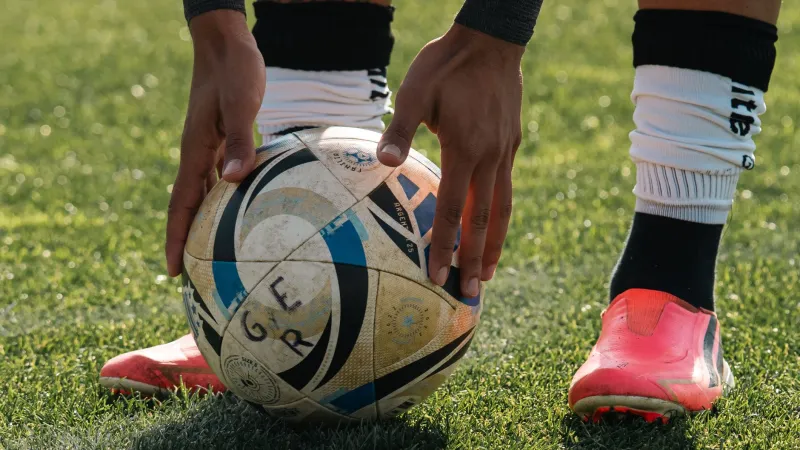
Photo by Photo by Massimo P on Unsplash on Unsplash
December is when closets get honest. The cleats by the back door have been outgrown, the spare pair in the garage has been outgrown twice, and somewhere between school pickup and the holiday rush you start thinking about one last donation before the year closes. Good instinct. A year-end cleat donation can put real boots on real kids and give you a cleaner tax record, but only if you treat the deadline like a deadline and the paperwork like part of the donation.
This is general information, not tax advice. Rules can shift, and every donor's situation is different. If your donation is large or complicated, talk to a tax professional before you file.
First, the part that actually counts
For a US charitable deduction, the basics still matter. You generally need to itemize on your federal return. The organization needs to be a qualified 501(c)(3) charity. And the cleats need to be in good used condition or better. That last point is not a technicality. A ripped, moldy, or sole-separated pair is not a tax deduction waiting to happen. It is a repair project, and probably not one a partner organization can take on.
Used cleats are generally valued at fair market value, not what you paid for them. That means the price a willing buyer would pay for a similar pair in similar condition. A $120 pair bought three seasons ago is not a $120 deduction today. Think thrift-store comparable, not original receipt.
How to value used cleats without guessing
Start with condition. Clean, dry, structurally sound cleats with life left in the studs and no major tears are worth more than beaters. Then look at comparables. Check resale and thrift listings for the same brand, size, and rough condition. Save screenshots or notes. If you are donating several pairs, make a simple list: brand, model, size, condition, and your estimated value for each pair. A batch total is easier to defend when you can show how you got there.
Do not use the original purchase price as the deduction value. Do not round up because the cause is good. Do not claim a pair that is missing a sole or has been sitting wet in a trunk since spring. The goal is an honest number you can explain.
The paper trail that holds up
Get a receipt or written acknowledgment from the charity. For noncash donations of $250 or more, the IRS generally expects a written acknowledgment from the organization before you file. For noncash donations over $500, you generally need to attach Form 8283, Section A, to your return. For a single item or a group of similar items valued at more than $5,000, a qualified appraisal is generally required. Most household cleat donations will not hit that level, but the thresholds are worth knowing before you guess.
The acknowledgment should include the organization's name, the date of the donation, and a description of what was donated. It should not state a dollar value for the cleats. That value is your responsibility as the donor. Keep your own photos, your comparable-value notes, and any shipping receipts. If you mail the cleats, keep the tracking number and ask the charity to confirm receipt in writing.
A December calendar that beats the deadline
December 1 to 10: Sort, clean, and photograph. Pull together every pair you plan to donate. Check condition. Photograph the lot and each pair if you are claiming a meaningful value. Make your list.
December 10 to 18: Ship or drop off. This is the window. Do not wait until December 30 and hope a box arrives on time. If you are mailing, confirm the charity's donation process first. Get the receipt or acknowledgment dated before the end of the year.
December 18 to 31: Confirm receipt and file your paperwork. If the organization has a receipt process, follow it. If you are dropping off locally, get a dated receipt at the door. If you are mailing, keep tracking and confirmation.
January: Put the acknowledgment, your value list, photos, and shipping records in one folder. Give it to your tax preparer or keep it with your return records.
Mistakes that quietly kill a deduction
Overvaluing used cleats is the big one. So is donating damaged gear and calling it good condition. Another common miss is skipping the written acknowledgment for a $250-plus noncash donation. Some donors also forget that a drop-off on January 2 counts for the next tax year, not the one they just closed. And some donations go to organizations that are not qualified charities, which means no charitable deduction no matter how good the cause.
One more: do not claim the full original price because the cleats were barely worn. Barely worn is not the same as new. Fair market value is the standard.
The receipt is not the point
The receipt matters, but it is not the reason to donate. The reason is the kid who gets a pair that fits before the next season starts. The tax record is simply how you keep the giving sustainable. Do the sort, make the list, ship early, get the acknowledgment, and let the box do its job. If you want the donation to count for 2026, treat the third week of December like the real deadline. Your future self, and your tax preparer, will thank you.